Mastering the Art of 3D Shadow Box Chinese Layered Papercut
The intersection of traditional craftsmanship and modern digital technology has opened up exciting possibilities for crafters, interior designers, and hobbyists alike. Among these innovations, the 3D Shadow Box Chinese Layered Papercut stands out as a stunning example of how ancient artistic techniques can be revitalized for contemporary home decor and gifting. This intricate art form combines the delicate precision of traditional Chinese paper cutting with the dimensional depth of shadow box framing, creating pieces that are not just flat images but immersive visual experiences. Whether you are a seasoned crafter looking to expand your portfolio or a beginner eager to try something new, understanding the nuances of this medium is the first step toward creating breathtaking artwork.
Understanding the Appeal of Layered Papercutting
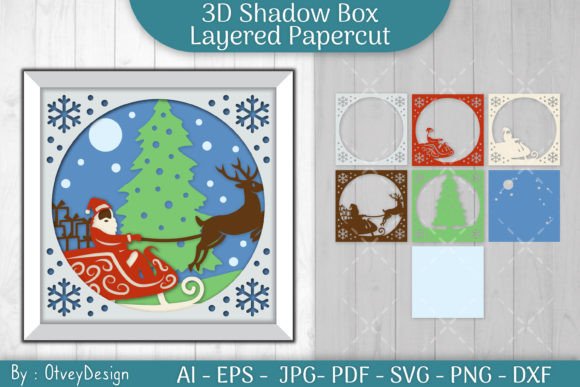
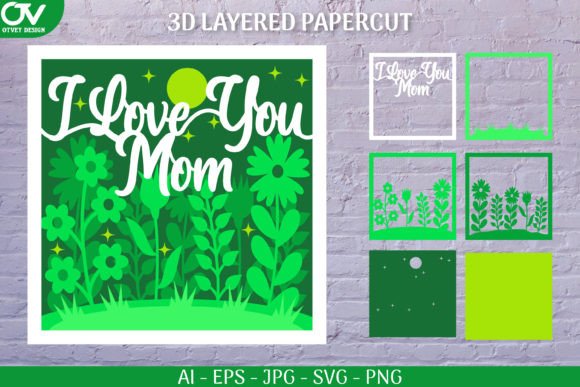
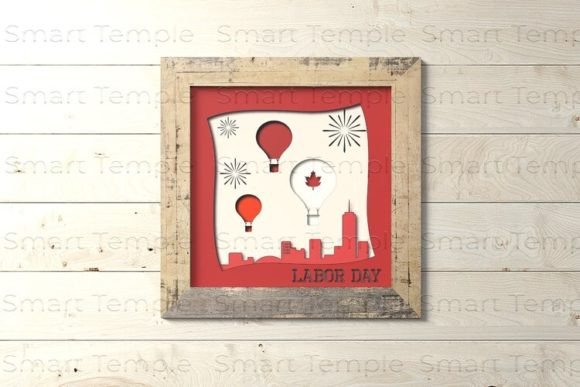
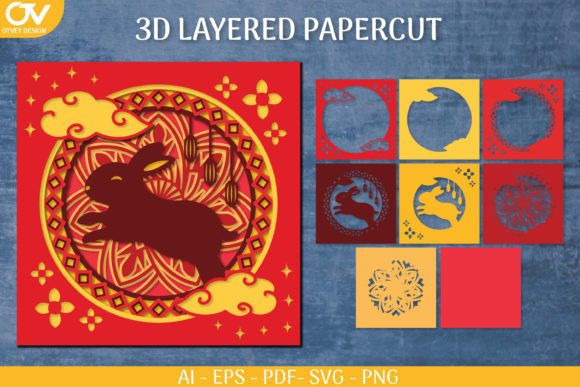
At its core, a 3D Shadow Box Chinese Layered Papercut is a multi-layered composition where each layer of paper is cut with specific designs and stacked at varying distances from one another. When light hits these layers, it creates shadows that add depth, drama, and a sense of three-dimensionality to the piece. The "Chinese" aspect often refers to the aesthetic motifs—such as dragons, phoenixes, cherry blossoms, pagodas, or lunar landscapes—that draw inspiration from centuries-old cultural symbols. However, the technique is versatile enough to accommodate modern geometric patterns, silhouettes, or personalized scenes.
For many adults seeking creative outlets, the challenge lies in balancing complexity with execution. Traditional hand-cutting requires immense patience and steady hands, which can be daunting for those without years of practice. This is where digital tools and pre-designed files become invaluable resources. By utilizing digital cut files, creators can bypass the steep learning curve of manual intricacy while still achieving professional-grade results. The goal is not just to cut paper, but to curate an experience—a moment of awe when someone views the interplay of light and shadow in your finished piece.
Solving the Precision Problem with Digital Tools
One of the most significant barriers to entry for layered papercutting is precision. In a multi-layer design, even a millimeter of error can disrupt the alignment, causing the final image to look disjointed rather than cohesive. This is why many modern crafters turn to cutting machines like the Cricut or Silhouette. These devices offer the accuracy needed to handle the fine details inherent in a 3D Shadow Box Chinese Layered Papercut.
When you purchase a high-quality digital package, you are essentially investing in a solution to this precision problem. The downloaded ZIP file typically includes a variety of formats designed to integrate seamlessly with your preferred workflow. For instance, the SVG file is ideal for users of Cricut Design Space or Silhouette Studio, allowing for easy scaling and layer separation. If you prefer working in vector-based professional software, the included Adobe Illustrator and Eps6 files provide the flexibility to edit paths, adjust nodes, and customize colors before cutting. For those who do not own a cutting machine, the high-resolution PNG (2804x2804) and PDF files serve as excellent templates for manual cutting with an art knife.
Practical Applications and Creative Outcomes
The versatility of the 3D Shadow Box Chinese Layered Papercut means it can be adapted for numerous purposes, making it a valuable addition to any creator’s toolkit. Here are several practical ways to utilize these designs:
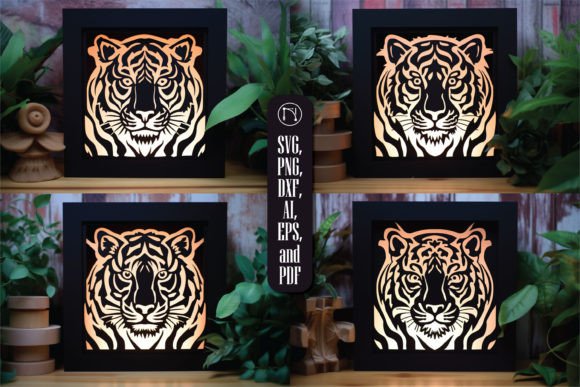
- Home Decor: Frame your layered creation in a deep shadow box frame with LED strip lights installed along the inner edges. The backlighting enhances the depth, turning the artwork into a luminous focal point for living rooms, bedrooms, or entryways.
- Personalized Gifts: Customize the layers to include names, dates, or specific symbols meaningful to the recipient. A wedding gift featuring intertwined dragons and phoenixes, or a birthday present with zodiac animals, adds a thoughtful, handmade touch that store-bought items cannot match.
- Cultural Celebrations: Use these designs to decorate for Lunar New Year, Mid-Autumn Festival, or other cultural events. The traditional motifs resonate deeply with heritage celebrations, adding authenticity and beauty to party decorations or community center displays.
- Educational Projects: Teachers and workshop leaders can use these files to teach students about geometry, symmetry, and cultural history. The layering process demonstrates principles of perspective and light in a tangible, engaging way.
Tailoring the Approach to Your Skill Level
Different users will approach the creation of a 3D Shadow Box Chinese Layered Papercut differently, depending on their tools and experience. Understanding your own workflow helps in maximizing the value of the digital files you download.
For the Machine Crafter: If you own a Cricut or Silhouette, your primary focus should be on material selection and layer alignment. Cardstock weight is crucial; too thin, and the layers may warp or tear; too thick, and the machine may struggle with intricate cuts. Recommend using 65lb to 80lb cardstock for optimal rigidity and ease of cutting. Use the SVG files to separate layers by color in your software, assigning each layer to a different mat if necessary. After cutting, use foam adhesive squares or spacers between layers to create the physical depth required for the shadow effect.
For the Manual Artist: If you do not have a cutting machine, do not hesitate to use your art knife. The PDF and PNG files included in the download are high-resolution enough to print and trace. This method requires more time and patience but offers a meditative, hands-on connection to the craft. Use a self-healing cutting mat and a sharp, fresh blade to ensure clean lines. Start with simpler designs if you are new to manual cutting, and gradually work your way up to the complex details of the Chinese layered styles.
For the Digital Designer: Those with skills in Adobe Illustrator can take the provided EPS or AI files and modify them extensively. You might change the motif entirely, combine elements from different files, or adjust the scale to fit unconventional frame sizes. This level of customization allows for unique, one-of-a-kind pieces that stand out in professional portfolios or Etsy shops.
Key Considerations for Success
To ensure your 3D Shadow Box Chinese Layered Papercut project is successful, keep the following tips in mind:
- Lighting is Key: The "shadow" in shadow box art comes from the interaction of light and layers. Experiment with warm vs. cool LED lights to see how they affect the mood of your piece. Warm lights often enhance the traditional, cozy feel of Chinese motifs, while cool lights can give a modern, crisp look.
- Color Contrast: Choose paper colors that contrast well with each other. Darker layers in the back and lighter layers in the front can create a sense of atmospheric perspective, making the scene appear deeper.
- Frame Depth: Ensure your shadow box frame is deep enough to accommodate all your layers plus the spacing material. Standard frames may be too shallow; look for frames specifically designed for 3D art or taxidermy, which often offer greater depth.
- Patience in Assembly: Rushing the assembly process can lead to misaligned layers. Take your time to dry-fit the layers before adhering them permanently. Use tweezers for handling small, delicate pieces.
Embracing the Creative Journey
The beauty of the 3D Shadow Box Chinese Layered Papercut lies not just in the final product, but in the journey of creation. It bridges the gap between digital convenience and tactile artistry, allowing anyone to produce sophisticated, gallery-worthy pieces. Whether you are drawn to the cultural richness of the motifs or the technical challenge of the layering, this craft offers a rewarding outlet for creativity.
Do not hesitate to explore the possibilities. The files available for download are designed to be user-friendly and adaptable, ensuring that whether you are a tech-savvy machine user or a traditional hand-cutter, you have the tools you need to succeed. If you encounter any uncertainties or have specific questions about file compatibility or assembly techniques, reach out for support. The crafting community is vast and supportive, and there is always someone ready to help you refine your technique. Embrace the process, experiment with light and layer, and enjoy the satisfaction of creating something truly unique.