FAMILY Multilayer Templates for Home Decor
Crafting is more than just a hobby; it is a tangible way to preserve memories and express emotion. When you combine precision digital design with tactile materials, the result is often a piece of art that resonates deeply with viewers. FAMILY Multilayer Templates, Home Decor represents this intersection perfectly. These designs are not merely cutouts; they are structured narratives of connection, warmth, and support, translated into physical layers that create depth and shadow.
For creators using machines like Cricut or Silhouette, the appeal of multilayer templates lies in their versatility and emotional impact. Whether you are a small business owner looking to expand your product line, a parent creating a personalized gift, or an interior designer seeking unique wall art, understanding how to leverage these digital assets can elevate your projects from simple crafts to professional-grade decor.
The Essence of Layered Design
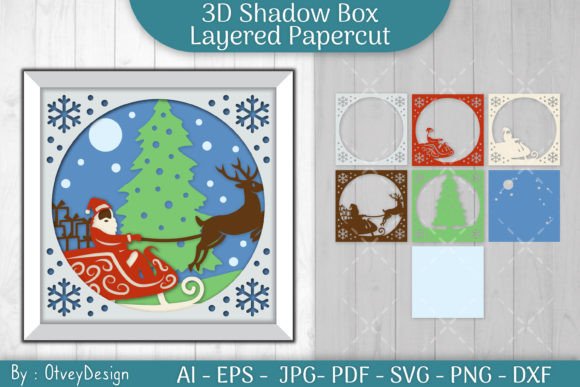
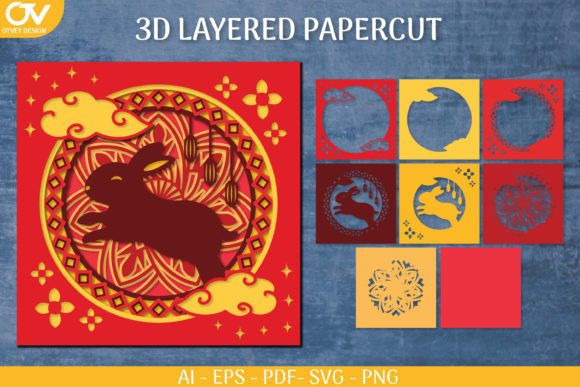
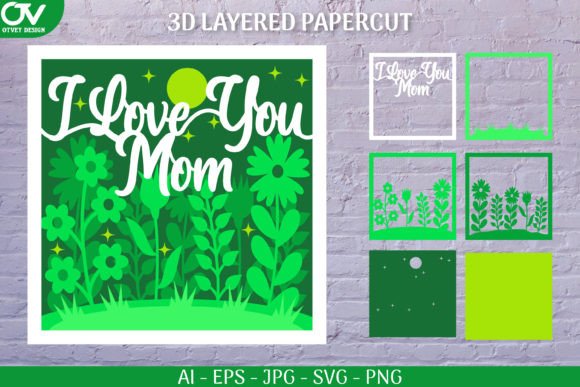
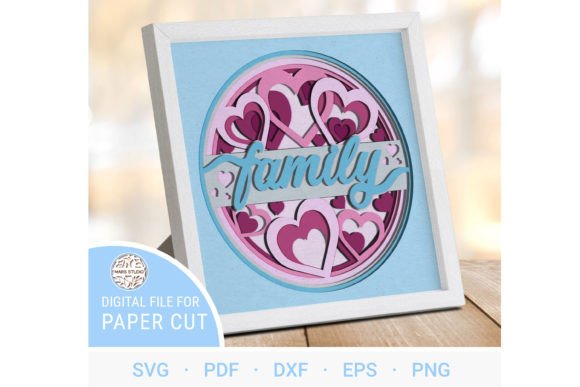
The concept behind FAMILY Digital multilayer svg files is rooted in the idea of interconnectedness. A flat image can convey a message, but a layered paper cut or wood assembly conveys a feeling. By stacking seven distinct layers, the design creates a three-dimensional effect that changes depending on the lighting and viewing angle. This depth symbolizes the complexity of family bonds—visible on the surface, yet supported by underlying structures of love and shared history.
What makes these templates particularly interesting is their meticulous craftsmanship. Each layer is designed to interlock visually, guiding the eye from the outer frame to the central motif. This requires a high level of precision in both the digital file and the cutting process. For the creator, this means the satisfaction of seeing a complex vision come together seamlessly, provided the right materials and techniques are used.
Material Selection and Technical Considerations
To achieve the best results with FAMILY Multilayer Templates, Home Decor, material selection is critical. The recommended finished product size is 8 x 8 inches, which is ideal for shelf displays, desk accents, or grouped wall arrangements. However, the beauty of digital files is scalability. You can increase the size for a statement wall piece, though you must be cautious when reducing the size, as thin elements may become fragile or difficult to weed.
The templates are compatible with a wide range of materials, including:
- Plywood and MDF: Ideal for a rustic or modern industrial look. The recommended thickness is 3–6 mm (1/12in – 1/4in). Wood adds weight and permanence, making it suitable for heirloom-quality gifts.
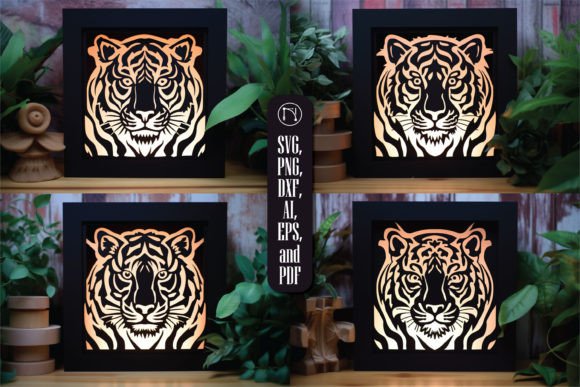
- Acrylic and Plexiglas: Perfect for a contemporary, sleek aesthetic. Transparent or colored acrylics can create stunning light-play effects, especially if backlit.
- Cardboard and Paper: The most accessible options for quick projects or prototyping. Layered cardstock allows for intricate color blocking and is excellent for shadow box styles.
When working with wood or acrylic, remember that each layer must be glued individually. A crucial pro-tip is to paint or finish each layer before gluing. Trying to paint the nooks and crannies of an assembled 3D piece is nearly impossible and often results in a messy finish. Pre-finishing ensures crisp lines and a professional appearance.
Creative Applications for Different Audiences
The versatility of FAMILY Digital multilayer svg files allows them to serve various creative and commercial purposes. Here is how different users can adapt these templates:
For Small Business Owners and Entrepreneurs
If you run an Etsy shop or a local craft business, these templates offer a high perceived value. Multilayer art takes time to assemble, which justifies a higher price point compared to single-layer decals. You can offer customization options, such as changing the color scheme to match a customer’s nursery or living room palette. Using durable materials like birch plywood or matte acrylic can position your brand as a provider of premium home goods.
For Educators and Community Leaders
In educational settings, layered paper cutting can be a powerful tool for teaching geometry, patience, and fine motor skills. While the full seven-layer design might be complex for younger students, simplifying the project by using fewer layers or pre-cutting intricate parts can make it accessible. It also serves as a meaningful project for family-themed units, allowing students to create art that reflects their own support systems.
For Interior Designers and Hobbyists
For those decorating their own spaces, these templates provide a bespoke touch that mass-produced decor cannot match. You can experiment with contrasting colors between layers to make specific elements pop. For example, using a dark background layer with lighter foreground layers creates a dramatic silhouette effect. Alternatively, monochromatic schemes using varying shades of beige or gray can create a subtle, sophisticated texture that blends seamlessly with minimalist interiors.
Workflow and Best Practices
To ensure your final product is clear, effective, and organized, follow a structured workflow. After purchasing, you will receive a .zip file containing formats such as .AI, .SVG, .DXF, .DWG, .CDR, .EPS, and .PDF. Always unzip the folder before attempting to use the files. This ensures you have access to the correct format for your specific cutting machine.
- Preparation: Import the SVG file into your design software. Check the scale to ensure it fits your material sheet. If resizing, verify that the smallest details remain above the minimum cut width for your blade.
- Cutting: Use appropriate settings for your material. For wood, a slower speed and higher force may be necessary. For paper, ensure your mat is clean to prevent slipping.
- Weeding: Remove excess material carefully. Use tweezers for small internal cuts. This step requires patience, especially with intricate family-themed motifs.
- Finishing: Sand wooden edges lightly if needed. Apply paint, stain, or sealant. Allow sufficient drying time.
- Assembly: Use a strong adhesive suitable for your material. Wood glue works well for plywood, while epoxy or super glue is better for acrylic. Align layers precisely, using registration marks if available, to maintain the design’s integrity.
Maximizing Impact Through Design Choices
The true power of FAMILY Multilayer Templates, Home Decor lies in how you interpret the design. Do not feel bound by traditional color schemes. If the design represents warmth, consider using warm tones like terracotta, mustard, and deep red. If it represents calm and stability, opt for cool blues, greens, and grays.
Furthermore, consider the context in which the piece will be displayed. A shadow box style, where the layers are spaced slightly apart within a deep frame, enhances the 3D effect and protects the delicate inner layers from dust. This approach is particularly effective for paper-based creations. For wood or acrylic, mounting the piece directly on the wall with standoffs can create a floating effect, adding modern elegance to the space.
Ultimately, these digital files are tools for storytelling. They provide the structure, but you provide the soul through material choice, color, and presentation. By approaching each project with intention and attention to detail, you transform a simple download into a lasting symbol of family bonds. Whether you are creating for profit, for education, or for personal joy, the process of building these layers mirrors the process of building relationships—one careful, deliberate step at a time.