Mastering the Layered Christmas Tree 3D Design CNC for Precision Holiday Crafting
The intersection of traditional holiday aesthetics and modern digital fabrication has given rise to a stunning category of seasonal décor: the layered 3D Christmas tree. For makers, small business owners, and hobbyists utilizing computer numerical control (CNC) routers or laser cutting machines, the Layered Christmas Tree 3D Design CNC represents more than just a festive project. It is a testament to how digital files can be transformed into tangible, dimensional art that captures the spirit of the season through precision engineering and creative material selection.
This comprehensive guide explores the intricacies of working with layered tree designs, focusing on the technical requirements, file compatibility, and practical applications that make this specific type of digital product a valuable asset for creators during the holidays.
Understanding the Mechanics of Layered 3D Designs
Unlike flat, two-dimensional cutouts, a layered 3D design relies on the strategic stacking of multiple material sheets to create depth and volume. In the context of a Christmas tree, this technique mimics the natural fullness of pine branches by arranging concentric or staggered layers of wood, acrylic, or cardboard. Each layer is slightly smaller or shaped differently than the one beneath it, creating a tapered, conical structure that stands upright.
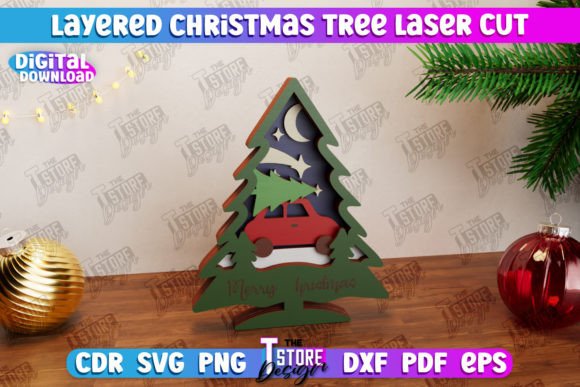
The appeal of the Layered Christmas Tree Christmas Décor Holidays 3D Christmas Tree CNC File lies in its simplicity of assembly versus the complexity of its visual impact. By breaking down a three-dimensional object into a series of two-dimensional slices, creators can produce sophisticated décor using standard flat-bed cutting machinery. This approach minimizes waste and maximizes efficiency, allowing for the rapid production of high-quality decorative pieces that rival store-bought items in aesthetic appeal while offering the unique charm of handcrafted customization.
Technical Specifications and File Compatibility
Success in digital fabrication begins with the right file format. When purchasing or downloading a Layered Christmas Tree 3D Design CNC package, users typically receive a comprehensive zip archive containing multiple file types to ensure broad compatibility with various software ecosystems. These archives generally include:
- SVG (Scalable Vector Graphics): Ideal for web-based design tools and many laser cutter interfaces.
- EPS (Encapsulated PostScript): A standard vector format preferred by professional graphic design software like Adobe Illustrator.
- DXF (Drawing Exchange Format): The gold standard for CAD software and CNC routing applications.
- PDF (Portable Document Format): Useful for quick previews, manual printing, or vinyl cutting plots.
- PNG (Portable Network Graphics): A raster image used for reference, visualization, or sublimation printing.
It is crucial to understand that not all file formats behave equally across different software platforms. For instance, while SVG files are versatile, they can sometimes present scaling issues or dimension distortions when imported into specific laser cutting software such as Lightburn. Users working with Lightburn are strongly advised to utilize the DXF file format instead. DXF files maintain precise dimensional integrity, ensuring that the layers of your Christmas tree align perfectly during assembly. This technical nuance can save hours of troubleshooting and prevent material waste caused by misaligned cuts.
Interpreting Cut and Engrave Lines
A defining feature of professional-grade CNC and laser files is the clear distinction between cutting paths and engraving areas. In a well-prepared Layered Christmas Tree 3D Design CNC file, these operations are visually coded to streamline the manufacturing process. Typically, users will encounter a color-coded system:
- Red Lines: These indicate where the machine should cut through the material entirely. These paths define the outer shape of each tree layer and any internal slots required for assembly.
- Black Lines: These represent engraving or etching operations. The machine will skim the surface of the material along these paths to add texture, patterns, or decorative details without cutting through.
Before sending any job to your machine, it is imperative to verify that your software correctly interprets these color codes. Most modern cutting software allows users to assign specific power and speed settings to different colors. For example, red lines might be assigned high power and low speed for a clean cut, while black lines might use low power and high speed for a shallow, aesthetically pleasing etch. Ensuring your cutting machine and software are compatible with this color-coding scheme is a critical step in achieving professional results.
Material Selection and Aesthetic Considerations
The versatility of the Layered Christmas Tree Christmas Décor Holidays 3D Christmas Tree CNC File allows for experimentation with a wide range of materials. The choice of material significantly influences the final look and feel of the décor.
Wood: Plywood, particularly birch or Baltic birch, is a popular choice for its smooth edges and natural grain. Wood offers a rustic, warm aesthetic that aligns well with traditional holiday themes. Different stain finishes can be applied post-cutting to enhance contrast between layers.
Acrylic: For a modern, sleek appearance, acrylic sheets provide a glossy finish and vibrant color options. Translucent acrylics can be particularly striking when paired with LED lighting, allowing the tree to glow from within.
Cardboard or MDF: These cost-effective materials are excellent for prototyping or producing large-scale displays where budget constraints are a concern. They paint easily, allowing for custom color schemes that match specific interior design palettes.
When selecting materials, consider the thickness specified in the design file. Most layered designs are optimized for standard material thicknesses, such as 3mm or 1/8 inch. Deviating significantly from these dimensions may require adjusting the slot sizes in the design to ensure a snug fit during assembly.
Practical Applications and Use Cases
The utility of a Layered Christmas Tree 3D Design CNC extends beyond personal home décor. Professionals and entrepreneurs can leverage these designs for various commercial and educational purposes.
Retail and Hospitality: Shops, cafes, and hotels can use these trees as part of their seasonal window displays or lobby decorations. The ability to produce multiple units quickly makes them ideal for creating cohesive thematic environments.
Educational Workshops: Educators can use these projects to teach students about geometry, spatial reasoning, and digital fabrication. Assembling a layered tree requires understanding how 2D shapes combine to form 3D structures, providing a hands-on lesson in engineering principles.
Custom Gifts and Corporate Branding: By incorporating company logos or personalized messages into the engraving layer, businesses can create unique corporate gifts. The black engrave lines can be utilized to add text or branding elements that elevate the piece from a simple decoration to a memorable keepsake.
Troubleshooting and Best Practices
Even with high-quality files, issues can arise during the fabrication process. One common challenge is kerf compensation—the material removed by the laser or router bit. If slots are too tight, layers may not fit together; if too loose, the structure may be unstable. It is advisable to perform test cuts on scrap material to fine-tune these dimensions before committing to final production.
Additionally, always ensure your machine bed is level and your material is securely fastened. Warping or shifting during the cut can lead to misaligned layers, compromising the 3D effect. Regular maintenance of your laser lens or router bits will also contribute to cleaner cuts and reduced charring, particularly when working with wood.
If you encounter specific challenges with file formats or require adjustments to the design, such as different sizes or color variations for PNG references, reaching out to the designer can provide tailored solutions. Many creators are willing to assist with custom requests, ensuring that your project meets your exact specifications.
Embracing the Creative Potential of Digital Fabrication
The Layered Christmas Tree 3D Design CNC is more than a file; it is a gateway to creative expression. By mastering the technical aspects of file handling, material selection, and machine operation, creators can produce stunning holiday décor that blends tradition with innovation. Whether you are a seasoned professional or a novice hobbyist, the satisfaction of transforming a digital vector into a physical, three-dimensional object is unparalleled.
As you explore the possibilities of layered design, remember to experiment with different materials, finishes, and lighting options. Each variation offers a new perspective on a classic symbol, allowing you to create unique pieces that reflect your personal style or brand identity. By following best practices for file compatibility and machine setup, you ensure that every project is a success, resulting in beautiful, durable decorations that can be enjoyed for years to come.
For those interested in expanding their portfolio of digital designs, staying connected with designers and following their updates can provide access to new releases and innovative techniques. The world of digital fabrication is constantly evolving, and keeping abreast of new tools and designs ensures that your creative capabilities remain sharp and relevant.