Mastering 3D Design Work for Branding
In the modern digital landscape, visual identity is more than just a pretty picture; it is the silent ambassador of your brand. While flat design has dominated the web for years, there is a growing appreciation for depth, texture, and dimensionality. This is where 3d Design Work becomes an essential tool for creators, entrepreneurs, and marketers. Whether you are launching a startup, refreshing a personal blog, or creating educational materials, understanding how to leverage three-dimensional elements can significantly elevate your project’s perceived value.
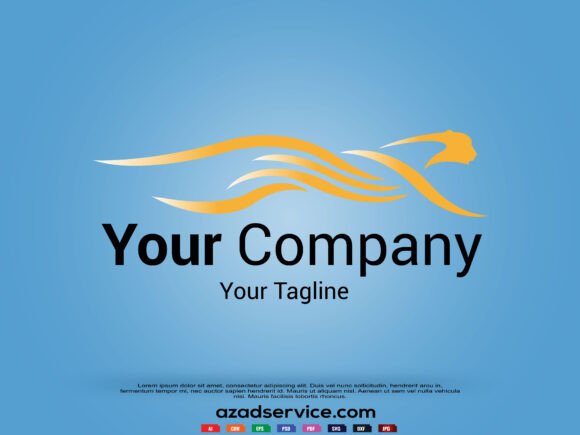
However, diving into the world of three-dimensional graphics does not always require complex software or years of training. Many professionals now rely on high-quality, pre-made assets that offer the flexibility of custom design with the convenience of ready-to-use templates. A prime example of this efficient workflow is utilizing vector-based assets, such as the minimalist bird logo available through services like azadservice. These resources bridge the gap between professional-grade aesthetics and accessible customization.
The Practical Value of Dimensional Graphics
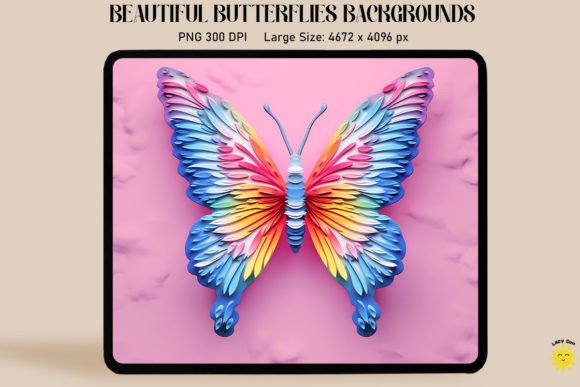
At its core, 3d Design Work involves creating objects that have height, width, and depth. Unlike traditional two-dimensional images, these designs interact with light and shadow, creating a sense of realism or stylized depth that captures attention. For business owners and content creators, the appeal lies in engagement. Human eyes are naturally drawn to objects that appear tangible. When you incorporate dimensional elements into your branding, you create a focal point that stands out in a sea of flat icons and text.
Consider the psychological impact. A sleek, modern logo with subtle shading or a three-dimensional perspective suggests sophistication and forward-thinking. It implies that a brand pays attention to detail. For beginners, this might seem intimidating, but the key is not necessarily to build everything from scratch. Instead, it is about knowing how to integrate existing high-quality vectors into your broader design strategy. This approach saves time while maintaining a professional standard.
Why Vector Formats Are Essential for Flexibility
One of the most critical aspects of professional graphic design is scalability. This is why specifications like Full Vector SVG EPS are non-negotiable for serious projects. When you download a asset, such as the bird logo mentioned earlier, receiving it in EPS (Encapsulated PostScript) or SVG (Scalable Vector Graphics) format ensures that the image is defined by mathematical paths rather than pixels.
What does this mean for you? It means you can resize the logo from the size of a business card to the side of a building without losing any quality. There is no pixelation, no blurriness, and no loss of detail. This is particularly important for 3d Design Work because complex shapes and gradients must remain crisp at any scale. If you were to use a standard JPEG or PNG, enlarging the image would result in a jagged, unprofessional appearance. By starting with a vector file, you future-proof your brand identity.
Customization: Making the Design Yours
A common misconception among beginners is that using pre-made templates limits creativity. In reality, high-resolution vector files offer immense freedom. The specification "Ready to Change Text" and "Easy to edit customize" highlights the versatility of these assets. Let’s look at the clean, modern bird logo as a practical case study.
Upon receiving the zip file containing the EPS documents, you can open them in compatible software like Adobe Illustrator. Because the file is 100% vector, every shape, curve, and color block is an independent element. You are not stuck with the default colors. If your brand palette consists of deep navy and gold, you can select the bird’s silhouette and change its fill color instantly. You can adjust the stroke width, modify the curvature of the wings, or even combine the bird element with other shapes to create a unique illustration that reflects your specific niche.
This level of control allows you to maintain consistency across different platforms. For instance, you might want a monochrome version for email signatures and a vibrant, multi-colored version for social media headers. With editable vector files, this adaptation takes minutes rather than hours.
Real-World Applications for Entrepreneurs and Creators
Understanding where to apply these designs is just as important as knowing how to edit them. Here are several realistic scenarios where 3d Design Work and high-quality vector logos add significant value:
- Brand Identity Systems: A minimalist bird logo can serve as the cornerstone of your visual identity. It works equally well on letterheads, packaging, and merchandise. The elegance of a nature-inspired silhouette appeals to industries ranging from eco-friendly products to tech startups aiming for a sleek, organic feel.
- Digital Presence: Websites and mobile apps benefit from scalable graphics. A vector logo loads quickly and looks sharp on retina displays and high-definition monitors. This enhances user experience and reinforces brand credibility.
- Print Marketing: Flyers, brochures, and banners require high-resolution inputs. Since vector files are resolution-independent, they ensure that your printed materials look professional, regardless of the printing method used.
- Educational Content: Educators and bloggers can use these elements to break up text-heavy articles or presentations. A well-placed, customizable icon can illustrate a point more effectively than paragraphs of explanation.
Important Considerations Before You Start
While the benefits are clear, there are a few things to keep in mind to ensure you get the most out of your design assets. First, software compatibility is key. Ensure you have access to a vector editing program. Adobe Illustrator is the industry standard, but there are affordable or free alternatives like Inkscape or Affinity Designer that can also handle EPS and SVG files.
Second, understand the difference between raster and vector. If you are working on a project that requires photorealistic textures, you might need to export your vector work into a high-resolution raster format (like PNG or TIFF) for final output. However, always keep the original vector file safe as your master copy.
Finally, consider the context of your audience. While 3d Design Work adds depth, it should not clutter your message. The trend toward minimalism suggests that clean lines and simple shapes often communicate more effectively than overly complex compositions. The bird logo example succeeds because it is sleek and uncluttered, making it versatile for various applications.
Conclusion
Integrating professional design elements into your workflow does not have to be a daunting task. By leveraging high-quality, editable vector assets, you can achieve a polished, three-dimensional aesthetic without starting from zero. Whether you are a freelancer looking to speed up your delivery times or a small business owner building your brand from the ground up, understanding the power of scalable, customizable graphics is a valuable skill. Embrace the flexibility of vector formats, experiment with color and composition, and let your visual identity speak volumes.