Evaluating the 3D Holographic Crystal Tumbler Wrap for Personalized Drinkware
The market for personalized drinkware has expanded significantly, moving beyond simple vinyl decals and static printed images. Among the emerging trends, the 3D Holographic Crystal Tumbler Wrap stands out as a distinct option for those seeking high-impact visual aesthetics. This design approach combines digital printing techniques with specialized materials to create an illusion of depth, refraction, and movement. For consumers and creators alike, understanding the mechanics, aesthetic appeal, and practical limitations of this style is essential before committing to a purchase or production run.
This article explores the characteristics of the 3D Holographic Crystal Tumbler Wrap, compares it to alternative customization methods, and provides a framework for deciding whether this specific style aligns with your needs.
Understanding the Aesthetic and Technical Composition
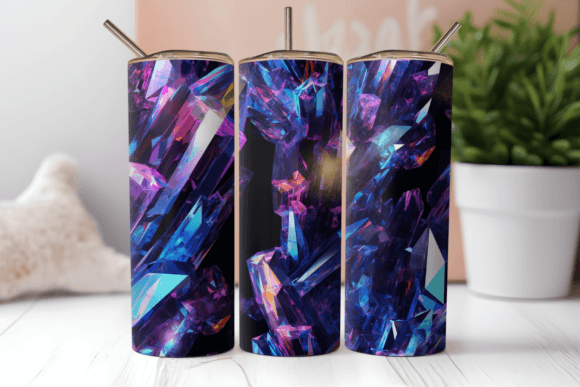
The term "3D Holographic" in the context of tumbler wraps refers to a visual effect rather than a literal three-dimensional object attached to the surface. The design relies on high-resolution sublimation printing on polymer-coated substrates. The artwork typically features complex layers of light manipulation, including simulated refraction, rainbow spectra, and glitter effects that mimic the appearance of cut crystal or prisms.
The specific design described as a "symphony of crystal clarity" utilizes vibrant purple radiance and liquid sparkles to create a dynamic viewing experience. Unlike flat colors, these wraps are engineered to interact with ambient light. As the tumbler rotates or as the viewer changes their angle, the perceived colors shift, creating a sense of motion. This is achieved through careful gradient blending and the simulation of light sources within the graphic itself.
For users evaluating this product, it is important to distinguish between the print quality and the physical texture. While the visual effect suggests depth and multifaceted surfaces, the physical touch of a standard sublimated tumbler remains smooth. The "crystal" aspect is purely optical, relying on the viewer’s perception of light and shadow within the printed image.
Comparison with Alternative Customization Styles
To determine if a 3D Holographic Crystal Tumbler Wrap is the right choice, it is helpful to compare it against other common personalization methods. Each approach offers different benefits regarding durability, cost, and visual impact.
- Standard Sublimation Prints: Traditional sublimation offers full-color coverage but often lacks the simulated depth of holographic designs. Standard prints are ideal for photographs, logos, or solid colors but may appear flat compared to the dynamic light play of a holographic wrap.
- Vinyl Decals and Stickers: Vinyl allows for textured finishes, such as raised glitter or matte coatings. However, vinyl can peel over time, especially with frequent washing. In contrast, sublimated holographic wraps are infused into the coating, offering better resistance to peeling, though they lack the tactile texture of vinyl.
- Laser Engraving: Engraving provides a permanent, sophisticated look by etching into the metal or powder coat. It is highly durable but limited in color. If the goal is vibrant, rainbow-hued visuals, engraving is not a viable alternative.
- Epoxy Coatings with Embedded Glitter: Some artisans apply real glitter under a layer of epoxy resin. This creates actual physical depth and texture. While visually stunning, this method is labor-intensive, more expensive, and prone to yellowing over time if low-quality resin is used. The 3D Holographic wrap offers a similar visual sparkle without the maintenance issues associated with resin.
The 3D Holographic Crystal Tumbler Wrap occupies a middle ground: it offers the visual complexity of resin art with the durability and scalability of sublimation printing.
Strengths and Ideal Use Cases
This style of wrap is particularly effective in scenarios where visual appeal is the primary driver. The "glamorous play of light" makes it a strong candidate for gift items, promotional products for beauty or lifestyle brands, and personal accessories for users who enjoy bold fashion statements.
Visual Impact in Social Settings
Because the design mimics the refraction of light through a prism, it performs exceptionally well in environments with varied lighting. In natural sunlight or under bright indoor lights, the "shiny, liquid sparkles" become more pronounced. This makes the tumbler a conversation piece in social settings, such as cafes, offices, or events.
Durability and Maintenance
When produced using high-quality sublimation techniques, the ink becomes part of the polymer coating. This means the design will not crack, peel, or fade easily under normal use. It is resistant to scratching from keys or coins in a bag, which is a common issue with adhesive stickers. For users prioritizing longevity alongside aesthetics, this is a significant advantage.
Limitations and Tradeoffs to Consider
While the 3D Holographic Crystal Tumbler Wrap offers unique benefits, it is not without limitations. Potential buyers should consider these factors to avoid dissatisfaction.
- Dependence on Lighting: The holographic effect is most visible under direct or bright light. In dim environments, the intricate details and rainbow hues may appear muted or darker than expected. Users who primarily use their tumblers in low-light settings may not fully appreciate the design's nuances.
- Complexity of Design Matching: If you are looking to match a specific brand color or a precise shade of purple, the holographic nature of the wrap can make exact matching difficult. The shifting colors mean the perceived hue changes with the angle, making it less suitable for strict corporate branding requirements where color consistency is paramount.
- Production Quality Variance: The success of the "crystal clarity" effect depends heavily on the resolution of the print and the quality of the tumbler's coating. Lower-quality blanks may result in pixelation or dull colors, failing to achieve the intended "enchanted fantasy" look. It is crucial to source from reputable suppliers who use high-definition printing processes.
Decision Factors: When to Choose This Style
Choosing the right tumbler wrap involves balancing aesthetic preferences with practical needs. The 3D Holographic Crystal Tumbler Wrap is likely the right choice if:
- You prioritize visual dynamism and want a product that changes appearance based on viewing angle.
- You prefer a smooth, easy-to-clean surface over textured or raised elements.
- You are looking for a gift or accessory that conveys a sense of luxury and modern design without the high cost of handcrafted resin art.
- You value durability and want a design that withstands daily handling without peeling.
Conversely, you may need to explore other options if:
- You require a matte finish or a minimalist aesthetic, as holographic designs are inherently busy and glossy.
- You need tactile feedback or texture, in which case vinyl or epoxy options may be more satisfying.
- Your usage environment is consistently dim, where the light-refracting qualities of the wrap will not be visible.
Practical Tips for Evaluation
When evaluating a 3D Holographic Crystal Tumbler Wrap, look for detailed product images that show the item in different lighting conditions. Video demonstrations are particularly useful, as they capture the movement of the "liquid sparkles" and the shift in rainbow hues. Read reviews that specifically mention color accuracy and print clarity.
Additionally, consider the base color of the tumbler. Most holographic wraps are designed for white or light-colored blanks to ensure the vibrancy of the purple radiance and spectrum colors. Applying such a design to a dark blank may result in muted tones unless the print includes a white underbase, which can affect the translucency of the effect.
In conclusion, the 3D Holographic Crystal Tumbler Wrap represents a sophisticated intersection of digital art and functional drinkware. By understanding its reliance on light interaction and comparing it against simpler or more textured alternatives, consumers can make an informed decision. Whether for personal use or commercial resale, this design offers a compelling blend of glamour and practicality, provided expectations regarding lighting and texture are managed appropriately.