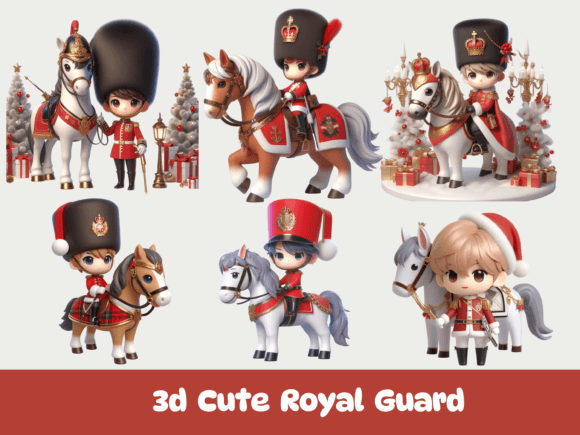
Mastering the Use of 3D Cute Royal Guard Digital Assets for Creative Projects
In the rapidly evolving world of digital design, finding assets that strike the perfect balance between whimsy and professionalism can be a challenge. The 3D Cute Royal Guard collection offers a unique solution, blending traditional regal imagery with modern, approachable aesthetics. Whether you are a seasoned graphic designer, a small business owner looking to elevate your brand, or a hobbyist creating personalized gifts, understanding how to properly utilize these digital files is crucial for achieving high-quality results.
However, many creators overlook the specific nuances of working with digital-only products. Misunderstandings about file formats, licensing restrictions, and printing techniques often lead to frustration and subpar outcomes. This guide aims to clarify these points, helping you avoid common pitfalls and maximize the potential of your 3D Cute Royal Guard assets.
Understanding the Digital Nature of the Product
The first and most critical distinction to make is that this is a digital product. No physical item will be shipped to your address. This concept seems straightforward, yet it is a frequent source of confusion for buyers accustomed to traditional e-commerce. When you purchase the 3D Cute Royal Guard package, you are acquiring a license to use specific digital files, not a tangible figurine or print.
Failing to recognize this can disrupt your project timeline. If you are expecting a physical delivery for an upcoming event or client deadline, you may find yourself unprepared. Instead, you must plan for the time required to download, unzip, and prepare the files for your specific application. Always ensure you have adequate storage space and a reliable internet connection to retrieve your assets immediately after purchase.
Navigating Licensing and Usage Rights
Intellectual property rights are often misunderstood in the digital marketplace. The files included in this collection are intended for personal and small commercial use. This means you can incorporate the 3D Cute Royal Guard images into products you sell, such as t-shirts, mugs, or invitations, provided you are operating on a small scale. However, there are strict boundaries.
A common mistake is attempting to resell or redistribute the original PNG files. You cannot upload these images to stock photo sites, share them in free resource groups, or sell them as standalone digital downloads. Doing so violates the terms of use and can lead to legal complications. Think of the license as permission to use the ingredient in a recipe, not to sell the ingredient itself. If you are unsure about the scope of your commercial project, it is always wise to reach out for clarification before proceeding.
Technical Considerations for High-Quality Output
You will receive six PNG files in a zipped folder. PNG (Portable Network Graphics) is a versatile format known for supporting transparency, which is essential for layering designs without unwanted white backgrounds. However, simply having a PNG file does not guarantee a perfect print. Several technical factors can affect the final quality of your project.
Resolution and Scaling
One of the most frequent errors beginners make is scaling images beyond their intended resolution. While PNGs are raster images, they have a fixed pixel dimension. Enlarging a small image to fit a large banner will result in pixelation and blurriness. Before starting your design, check the dimensions of the 3D Cute Royal Guard files. Ensure they match the requirements of your final output medium. If you need a larger size, consider using specialized upscaling software, but be aware that this may not always preserve the crispness of the original 3D render.
Color Variance and Calibration
Colors may vary between devices and printers. What looks vibrant and accurate on your calibrated monitor may appear dull or shifted when printed on fabric or paper. This is due to differences in color profiles—screens use RGB (Red, Green, Blue), while most printers use CMYK (Cyan, Magenta, Yellow, Key/Black).
To mitigate this, perform test prints whenever possible. If you are producing items for sale, order samples from your print provider to verify color accuracy. Do not assume that the digital preview represents the exact final product. Adjusting brightness and contrast in your design software can help compensate for these discrepancies, ensuring your 3D Cute Royal Guard designs look their best in physical form.
Choosing the Right Printing Method
The versatility of PNG files allows for various printing techniques, including sublimation, waterslide decals, and regular inkjet or laser printing. Each method has its own requirements and limitations.
- Sublimation: Ideal for polyester fabrics and coated hard surfaces. Ensure your design is mirrored before printing if necessary, and use high-quality sublimation paper and ink for vibrant results.
- Waterslide Decals: Perfect for applying designs to irregular surfaces like ceramics or glass. Remember to seal the decal with a clear coat to protect the image from water and wear.
- Regular Printing: Suitable for paper-based products like invitations or stickers. Use high-weight paper for a premium feel and ensure your printer settings are optimized for photo-quality output.
Selecting the wrong method for your material can lead to poor adhesion, fading, or distorted images. Take the time to research the best practices for your chosen medium. For instance, sublimation requires heat and pressure, while waterslide decals require careful handling and sealing. Understanding these processes will enhance the professionalism of your final product.
Best Practices for File Management
Once you have downloaded the zipped folder, proper file management is essential. Extract all files to a dedicated folder on your computer rather than working directly from the zip archive. This prevents corruption and ensures that all layers and data are accessible. Create backups of your original files in a separate location, such as an external drive or cloud storage. Losing your source files can halt your workflow and force you to repurchase assets unnecessarily.
Additionally, organize your projects by date or client. Keeping a clean digital workspace improves efficiency and reduces the time spent searching for specific assets. When using the 3D Cute Royal Guard images in complex designs, save your work in editable formats (such as PSD or AI) alongside the final exported PNGs. This allows for future modifications without starting from scratch.
Making an Informed Decision
Before integrating these assets into your workflow, evaluate whether they align with your project’s aesthetic and technical requirements. Consider the style of the 3D Cute Royal Guard—is it suitable for your target audience? Does the level of detail complement your design rather than overwhelm it? Assessing these factors early prevents wasted effort and ensures a cohesive final product.
If you encounter any issues during the download or usage process, do not hesitate to reach out for assistance. Most designers are willing to provide support to ensure customer satisfaction. Clear communication can resolve technical glitches or clarify licensing questions quickly, allowing you to focus on your creative work.
By understanding the digital nature of the product, respecting licensing terms, mastering technical printing requirements, and managing your files effectively, you can leverage the 3D Cute Royal Guard collection to create stunning, professional-quality designs. Avoid common mistakes, stay informed, and let these charming assets enhance your creative projects with confidence and clarity.