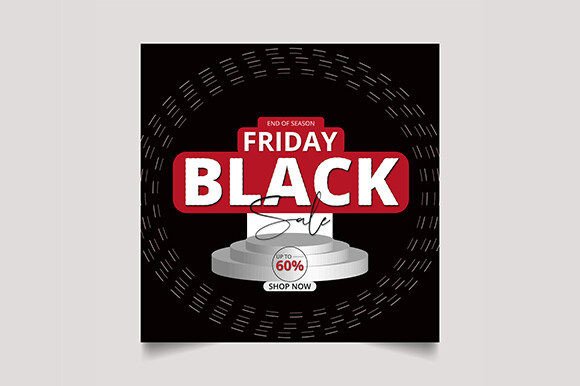
Mastering the 3D Background Podium for Black Friday Sales: A Designer’s Guide to High-Converting Banners
In the high-stakes world of e-commerce, visual communication is not merely an aesthetic choice; it is a fundamental driver of consumer behavior. As the holiday shopping season approaches, brands compete fiercely for attention, making the Black Friday Sale one of the most critical periods for digital marketing. At the heart of this visual competition lies a powerful design element: the 3D background podium. This article explores the significance of utilizing high-quality, three-dimensional renderings in promotional materials, specifically focusing on trendy Black Friday super sale banners. By understanding the technical and creative aspects of these assets, designers and business owners can create compelling visuals that drive engagement and sales.
The Rise of 3D Visuals in Digital Marketing
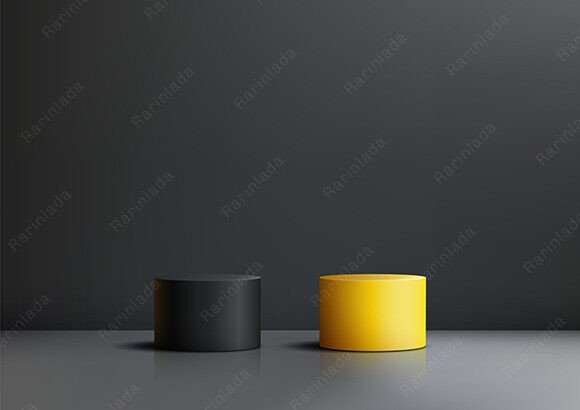
Over the past decade, digital design has shifted dramatically from flat, two-dimensional interfaces to immersive, three-dimensional experiences. This transition is driven by advancements in rendering technology and a consumer preference for depth, realism, and tactile appeal. A 3D background podium serves as a virtual stage, elevating products and giving them prominence. Unlike traditional flat backgrounds, a 3D podium creates a sense of space and luxury, guiding the viewer’s eye directly to the featured item.
For Black Friday campaigns, where urgency and excitement are paramount, these 3D elements add a layer of sophistication and professionalism. They transform a simple advertisement into an experience. When a customer sees a product resting on a sleek, rendered pedestal with dynamic lighting and shadows, the perceived value of that product increases. This psychological effect is crucial during sales events, where consumers are bombarded with discounts. A well-designed banner helps a brand stand out amidst the noise, signaling quality and trustworthiness.
Deconstructing the Trendy Black Friday Super Sale Banner
Creating a successful promotional banner requires more than just placing a discount code on an image. It involves a strategic combination of layout, typography, color theory, and technical precision. Let us examine the specific features that define a high-quality, editable 3D Black Friday banner template and why each component matters.
1. Optimal Dimensions: 1080px x 1080px
The standard square format of 1080px x 1080px is the gold standard for social media platforms such as Instagram, Facebook, and LinkedIn. This aspect ratio ensures maximum visibility in feeds and stories. By designing specifically for this dimension, creators guarantee that their content looks crisp and professional across devices. It eliminates the need for awkward cropping or resizing, which can often distort 3D elements or cut off crucial text. This uniformity allows for seamless integration into a broader social media strategy, ensuring brand consistency during the chaotic Black Friday period.
2. The Power of Adobe Photoshop PSD Files
Flexibility is key in modern design workflows. Providing the asset as an Adobe Photoshop PSD file ensures that users have complete control over every layer. Whether you need to change the background color to match your brand identity, adjust the position of the podium, or modify the text hierarchy, a layered PSD file makes these tasks straightforward. This level of editability is essential for businesses that run multiple campaigns or need to A/B test different visual approaches. It empowers designers to iterate quickly without starting from scratch, saving valuable time during the busy holiday season.
3. Fully Editable Files for Customization
Beyond just being a PSD, the concept of fully editable files implies that smart objects, adjustment layers, and text fields are properly organized. This structure allows even those with intermediate Photoshop skills to customize the file effectively. For instance, you might want to replace the generic placeholder product with your own merchandise. With a well-structured file, this can be done by simply double-clicking a smart object layer, pasting your product image, and saving. The 3D lighting and shadows will automatically adapt, maintaining the realism of the scene. This ease of customization lowers the barrier to entry for small businesses that may not have access to large design teams.
4. Print-Ready Quality: 300 DPI
While many Black Friday promotions are digital-first, omnichannel marketing remains vital. A resolution of 300 DPI (Dots Per Inch) ensures that the design is print-ready. This high resolution is necessary for producing physical flyers, in-store posters, or direct mailers that complement online campaigns. Using a low-resolution image for print results in pixelation and a lack of clarity, which can damage brand perception. By starting with a 300 DPI file, designers ensure versatility, allowing the same high-quality asset to be used across both digital screens and physical media without compromise.
5. Accessibility and Cost-Efficiency: Free Fonts
One common hurdle in design is font licensing. Many premium fonts require expensive commercial licenses, which can be a burden for small enterprises. Templates that utilize free fonts remove this obstacle entirely. By selecting widely available, open-source, or free-for-commercial-use typography, designers ensure that the final output is legally compliant and cost-effective. This also means that anyone downloading the template can open it immediately without needing to purchase additional assets or worry about copyright infringement. It streamlines the workflow and makes professional design more accessible.
6. Color Accuracy: RGB Color Format
Digital screens display colors using the RGB (Red, Green, Blue) color model. Designing in RGB ensures that the vibrant hues of your Black Friday banner—such as bold reds for urgency or sleek blacks for luxury—appear exactly as intended on smartphones, tablets, and monitors. Converting from CMYK (used for print) to RGB can sometimes result in duller or shifted colors. By native designing in RGB, creators preserve the intensity and contrast of the 3D renders, ensuring that the visual impact is maximized for online audiences.
7. High-Quality Design and Realism
Ultimately, the success of a 3D podium banner hinges on its high-quality design. This involves realistic lighting, accurate shadows, and refined textures. A poorly rendered 3D object can look artificial and detract from the product it is meant to showcase. High-quality designs use advanced rendering techniques to simulate real-world physics, making the podium feel tangible. This attention to detail builds trust with the consumer, subconsciously suggesting that the brand values quality in all aspects of its presentation.
Practical Applications and Best Practices
Understanding the features of these templates is only the first step. To truly leverage them, consider how they fit into your broader marketing strategy. Here are some practical tips for using 3D background podiums effectively:
- Maintain Brand Consistency: While the template provides a structure, ensure that the colors and fonts align with your existing brand guidelines. Consistency helps in building brand recognition.
- Highlight the Product: The podium is a support element, not the star. Ensure your product is well-lit and positioned centrally. Use the 3D space to create depth, but do not let background elements overpower the item for sale.
- Clear Call-to-Action: Even the most beautiful design fails if the message is unclear. Use bold, readable text to communicate the "Black Friday Sale" offer clearly. Keep the copy concise.
- Test Across Devices: Before publishing, preview your 1080px x 1080px design on various devices to ensure text legibility and visual balance.
Common Misunderstandings About 3D Templates
A frequent misconception is that using a template limits creativity. In reality, a well-built PSD serves as a foundation that accelerates the creative process. Another misunderstanding is that 3D design requires advanced software like Cinema 4D or Blender. While creating the original render requires such tools, customizing the final banner only requires Photoshop, making it accessible to a wider audience. Additionally, some assume that high-resolution files are too large for web use. However, proper export settings can optimize file size without sacrificing visual quality, ensuring fast load times for better user experience.
Conclusion
The integration of 3D background podiums into Black Friday marketing materials represents a convergence of art, technology, and psychology. By utilizing high-quality, editable, and technically sound templates, brands can create visually stunning banners that capture attention and drive conversions. Whether you are a seasoned designer or a small business owner looking to elevate your holiday campaign, understanding the value of these assets is crucial. From the precision of 300 DPI resolution to the flexibility of fully editable PSD layers, each feature plays a role in delivering a professional and impactful message. As digital commerce continues to evolve, embracing these modern design tools will remain a key differentiator in the competitive landscape of online retail.
Note: When using these templates, remember that the product images shown in previews are for demonstration purposes only and are not included in the download. You will need to insert your own product photography to complete the design.