Evaluating the Utility of Gradient Backgrounds with 3D Design Elements
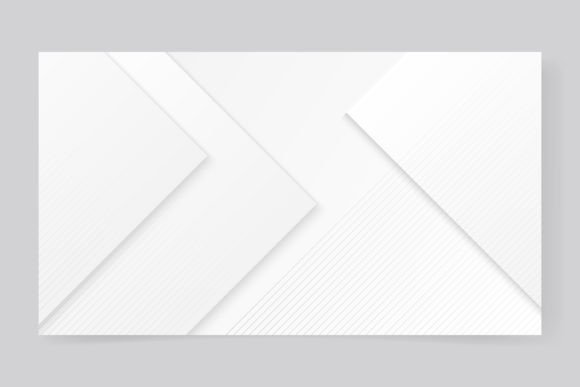
In the evolving landscape of digital design, the demand for high-quality, versatile visual assets has never been higher. Among the myriad options available to creators, a Gradient Background with 3d Design stands out as a particularly effective resource for modern user interfaces and digital presentations. This type of asset combines the depth and realism of three-dimensional modeling with the smooth, aesthetic appeal of color gradients. For professionals ranging from web developers to marketing strategists, understanding the practical application and technical specifications of such files is crucial for maintaining a polished brand identity.
The file in question, provided by CLton Studio, offers a comprehensive solution for those seeking to elevate their visual content without starting from scratch. By offering multiple format options including AI, EPS, and JPEG, it caters to a diverse range of workflows, ensuring that both vector-based designers and raster-focused users can integrate the asset seamlessly into their projects.
The Intersection of Depth and Color in Modern UI
The primary appeal of a Gradient Background with 3d Design lies in its ability to create visual hierarchy and interest without overwhelming the viewer. Traditional flat designs, while clean, can sometimes lack the engagement factor necessary to hold user attention in a crowded digital space. Conversely, overly complex 3D scenes can distract from the core message or slow down loading times if not optimized correctly. This design approach strikes a balance by using subtle three-dimensional shapes—such as spheres, waves, or abstract forms—set against a fluid gradient backdrop.
This combination serves several functional purposes. First, the gradient provides a soft, non-intrusive base that allows foreground text and interactive elements to remain legible. Second, the 3D elements add a layer of sophistication and modernity, signaling to the user that the platform or content is current and professionally maintained. For marketers and entrepreneurs, this subtle cue can enhance perceived value and trustworthiness.
Technical Versatility and File Format Analysis
One of the most significant strengths of this specific asset is the inclusion of multiple file formats. Understanding the distinction between these formats is essential for maximizing the utility of the download.
- AI (Adobe Illustrator) Format: This is the native file type for vector graphics. It allows for complete editability of the 3D shapes and gradient stops. Designers can adjust colors to match specific brand guidelines, resize elements without loss of quality, and manipulate the composition to fit unique layout requirements.
- EPS (Encapsulated PostScript) Format: Similar to AI, EPS is a vector format widely supported by various design software beyond Adobe Illustrator, such as CorelDRAW or Inkscape. It ensures compatibility for professionals who do not use the Adobe Creative Cloud suite, maintaining scalability and editability.
- JPEG Format: For users who require a ready-to-use image without the need for editing, the JPEG file provides a high-resolution raster version. This is ideal for quick implementations, such as setting a desktop wallpaper, using as a slide background in PowerPoint, or uploading directly to social media platforms where vector support is limited.
The availability of these three formats ensures that the Gradient Background with 3d Design is not just a static image but a flexible component of a designer’s toolkit. It accommodates both the iterative process of custom design work and the immediate needs of content publishing.
Practical Applications Across Industries
The versatility of this background makes it suitable for a wide array of professional contexts. Its neutral yet engaging aesthetic allows it to adapt to various industries without clashing with specific thematic elements.
Digital Marketing and Social Media
For social media managers and content creators, having a library of high-quality backgrounds is indispensable. This asset can serve as the foundation for Instagram stories, LinkedIn banners, or YouTube thumbnails. The 3D elements provide enough visual intrigue to stop the scroll, while the gradient ensures that overlay text remains readable. This is particularly valuable for small business owners who may not have dedicated graphic design resources but still need to maintain a consistent and professional online presence.
User Interface and Web Design
In web design, performance and aesthetics must coexist. A well-optimized Gradient Background with 3d Design can be used as a hero section background or a backdrop for landing pages. The vector formats (AI and EPS) allow developers to extract specific elements or recolor the background to align with dark mode or light mode themes. This flexibility reduces the time spent on creating custom assets for different states of a website, thereby improving workflow efficiency.
Corporate Presentations and Education
Educators and corporate trainers often struggle with creating visually appealing presentation decks. Using a generic white background can lead to viewer fatigue, while overly busy templates can distract from the educational content. This background offers a middle ground. It adds a professional polish to PowerPoint or Keynote slides, making data visualization and bullet points stand out more effectively. For publishers and bloggers, it can also serve as an attractive header image for articles, enhancing the overall reading experience.
Assessing Quality and Long-Term Value
When evaluating digital assets, longevity is a key consideration. Trends in design shift rapidly, but certain elements remain timeless. Gradients and simple 3D geometry are currently staples of modern design language, suggesting that this asset will remain relevant for the foreseeable future. Unlike highly specific illustrative styles that may date quickly, the abstract nature of this design ensures it can be repurposed across multiple projects and years.
Furthermore, the quality of the vector files ensures that the asset can scale to any size, from a mobile screen to a large-format print. This scalability is a critical factor for businesses that operate across both digital and physical mediums. The reliability of the file structure, provided by a reputable source like CLton Studio, minimizes the risk of corrupted layers or incompatible color profiles, which are common issues with lower-quality free resources.
Limitations and Considerations
While the Gradient Background with 3d Design is a robust tool, it is not a one-size-fits-all solution. Designers should consider the following limitations:
- Brand Alignment: The default color scheme may not match every brand’s palette. Users purchasing the AI or EPS formats must be comfortable adjusting gradient meshes and 3D object colors to ensure consistency with their brand identity.
- Complexity of Editing: For beginners, working with 3D effects in vector software can have a learning curve. While the JPEG is ready to use, unlocking the full potential of the AI and EPS files requires some proficiency in design tools.
- Contextual Fit: This design style is best suited for modern, tech-forward, or creative brands. It may not be appropriate for highly traditional or conservative industries where minimalism or photographic realism is preferred.
Final Thoughts on Usability and Integration
Integrating a Gradient Background with 3d Design into your workflow can significantly enhance the visual quality of your output with minimal effort. For freelancers and agencies, it represents a time-saving resource that delivers professional results. For individual creators and hobbyists, it provides access to design standards that might otherwise be difficult to achieve without advanced skills.
The decision to utilize this asset should be based on your specific project needs. If you require a flexible, editable background that can adapt to various sizes and contexts, the vector formats offer unparalleled value. If you need a quick, high-quality solution for immediate use, the JPEG format provides a reliable alternative. By choosing a well-structured file from a trusted provider like CLton Studio, you invest in a resource that supports both creativity and efficiency.
Ultimately, the effectiveness of any design element depends on how well it serves the content it supports. This background succeeds by providing a strong, aesthetically pleasing foundation that allows your message to take center stage. Whether used for a UI mockup, a desktop wallpaper, or a marketing campaign, it demonstrates the practical power of combining modern 3D design techniques with the timeless appeal of gradient colors.