Designing With Precision: A Guide to the 3D Box Halloween Square Box Paper Cut
As the autumn season approaches, the demand for distinctive home decor and functional packaging solutions rises sharply. Among the myriad of options available to crafters and designers, the 3D Box Halloween Square Box Paper Cut has emerged as a versatile tool for creating atmospheric displays. This digital asset is not merely a template; it is a comprehensive design resource that bridges the gap between traditional papercraft and modern digital fabrication. For adults aged 20 to 50 who are evaluating resources for their creative projects, understanding the nuances of this specific file type is essential for making an informed decision.
The core appeal of this product lies in its adaptability. It serves as a foundational element for both novice hobbyists and experienced designers looking to streamline their workflow. By offering a pre-engineered structure, it eliminates the tedious trial-and-error phase often associated with 3D paper engineering. However, like any specialized tool, it has specific strengths and limitations that must be weighed against alternative methods and materials.
Understanding the Structure and Utility
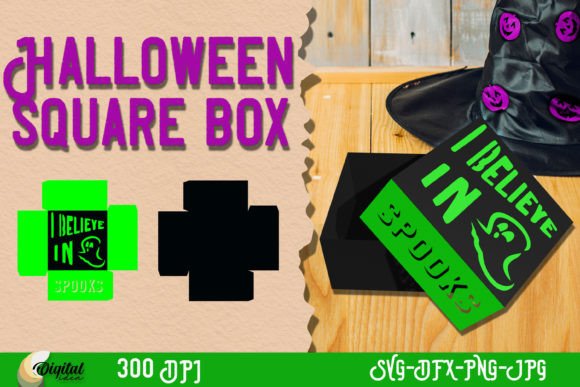
At its simplest, the 3D Box Halloween Square Box Paper Cut is a vector-based or high-resolution raster design intended for cutting machines or manual crafting. The "square box" designation refers to the geometric footprint, which provides stability and ease of stacking, while the "paper cut" aspect highlights the intricate detailing that gives the object its three-dimensional character once assembled. Unlike flat prints, these designs rely on score lines, tabs, and interlocking mechanisms to transform two-dimensional sheets into volumetric objects.
What makes this specific design distinct is its thematic integration. Halloween aesthetics often rely on silhouettes, shadows, and layered depth. A well-designed square box leverages these elements by incorporating cut-outs that reveal inner layers or allow light to pass through, creating a lantern-like effect. This dual functionality—as both a container and a decorative piece—sets it apart from standard gift boxes or generic storage solutions. When evaluating such a resource, one must consider not just the visual appeal, but the structural integrity of the design. Does it require excessive glue? Are the tabs proportionate to the weight of the material? These are critical questions that determine the user experience.
Comparing Digital Templates to Traditional Crafting
When considering the 3D Box Halloween Square Box Paper Cut, it is helpful to compare it with traditional crafting approaches. Historically, creating a complex 3D box required manual drafting, precise measurement, and significant patience. Today, digital templates offer a shortcut, but they also introduce new variables regarding file compatibility and machine precision.
- Digital Templates: Offer immediate access to complex geometries. They ensure consistency across multiple units, which is ideal for party favors or retail displays. The primary tradeoff is the reliance on specific hardware, such as Cricut or Silhouette machines, to achieve clean cuts.
- Manual Drafting: Provides ultimate customization but is time-intensive. It is suitable for one-off artistic pieces but impractical for batch production. The learning curve is steep, requiring knowledge of geometry and material behavior.
- Pre-made Physical Boxes: These are convenient but lack personalization. They often come in standard sizes and limited designs, restricting creative expression.
For many users, the digital template strikes a balance between customization and efficiency. It allows for modification of colors, materials, and scales without redesigning the structural mechanics from scratch. This flexibility is particularly valuable for those who wish to create an original design for their home or office but lack the technical skills to engineer the box structure themselves.
Evaluating File Formats and Compatibility
A crucial aspect of acquiring any digital design resource is understanding the included file formats. A robust package for a 3D Box Halloween Square Box Paper Cut should include a zip folder with designs in SVG, DXF, EPS, PDF, JPEG, and PNG formats. Each format serves a specific purpose in the creation pipeline.
SVG and DXF are the gold standards for cutting machines. SVG (Scalable Vector Graphics) is widely supported by consumer-grade cutters and retains quality at any scale. DXF (Drawing Exchange Format) is often preferred by industrial users or those using older software interfaces. If you are planning to use a digital cutter, these files are non-negotiable. They allow the machine to recognize cut lines versus score lines, ensuring the box folds correctly.
EPS and PDF formats are essential for professional printing and vector editing. If you intend to send the design to a professional print shop or edit the vectors in Adobe Illustrator, these formats provide the necessary fidelity. They preserve the crisp edges required for intricate paper cuts, preventing the blurriness that can occur with raster images.
JPEG and PNG files serve as reference images. While they cannot be used for cutting directly due to their pixel-based nature, they are invaluable for visualizing the final product. Designers often use these previews to plan color schemes or to show clients what the assembled box will look like. Including these formats demonstrates a thorough understanding of the user’s workflow, catering to both technical and visual needs.
Material Considerations and Best-Fit Situations
The success of a 3D Box Halloween Square Box Paper Cut project depends heavily on material selection. Not all papers are created equal, and the choice of substrate can significantly impact the final outcome. Cardstock is the most common choice, offering a balance of rigidity and foldability. However, for a more dramatic effect, translucent vellum or acetate can be used to create glowing lanterns when paired with LED lights.
When deciding if this template is the right choice for your project, consider the intended use case. If you are creating durable storage boxes for long-term use, heavier chipboard may be necessary, though this might require adjustments to the tab sizes in the digital file. Conversely, for single-event decorations like Halloween party favors, lighter cardstock is sufficient and easier to assemble.
There are situations where this specific design may not be the optimal solution. For instance, if you require irregular shapes or non-square footprints, a square box template will need significant modification. Additionally, if you do not have access to a cutting machine, the intricate details of a paper cut design may be difficult to replicate by hand. In such cases, simpler templates with fewer cut-outs might be more appropriate.
Making an Informed Decision
Choosing the right design resource involves assessing your skills, tools, and goals. The 3D Box Halloween Square Box Paper Cut is an excellent solution for those who value precision and repeatability. It allows for the creation of professional-looking decor with minimal structural guesswork. The inclusion of multiple file formats ensures that whether you are a hobbyist with a home cutter or a designer working with professional printers, you have the tools needed to succeed.
However, it is important to recognize the limitations. Digital templates are starting points, not finished products. They require assembly, attention to detail, and appropriate material selection. Users should be prepared to invest time in the folding and gluing process, as even the best-cut pieces require careful construction to achieve the desired 3D effect.
Ultimately, the possibilities of creation are endless when you have a solid foundation. By selecting a high-quality, multi-format template, you empower yourself to experiment with colors, textures, and lighting. Whether used for seasonal decor, gift packaging, or artistic installation, the 3D Box Halloween Square Box Paper Cut offers a reliable pathway to achieving sophisticated results. As you evaluate your options, prioritize resources that offer flexibility, clarity, and compatibility with your existing tools. This approach ensures that your creative efforts are rewarded with a polished, professional finish.